
The compressor is the single most expensive and critical component in any air conditioning system. When it fails — and in Singapore’s relentless heat, compressor stress is real — you’re faced with one of the most important aircon decisions a homeowner or facility manager can make: repair it, or replace the entire system?
Get this decision wrong and you either overspend on a dying system or throw away a unit that still had years of life. This guide walks you through everything you need to know to make the right call.
Key Takeaway
A failed compressor doesn’t always mean a new aircon. Repair if the unit is under 5 years old or still under warranty; replace if it’s over 8 years old, non-inverter, or the repair quote exceeds 50% of a new unit’s cost. Always confirm the compressor — not a cheaper part like the capacitor — is actually the fault before paying for any repair.
What Does the Compressor Do?
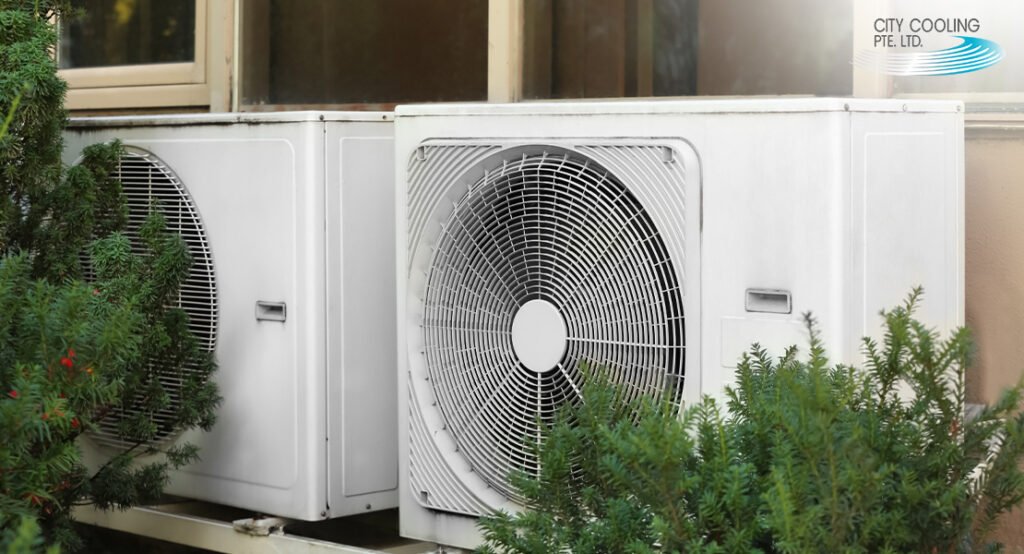
The compressor is located in the outdoor condenser unit. Its job is to pressurise the refrigerant gas, raising its temperature so it can release heat to the outside air at the condenser coil. Without a working compressor, there is no refrigeration cycle — the unit can run its fan, but it produces no cooling whatsoever.
A typical residential aircon compressor in Singapore handles:
- Continuous operation at ambient temperatures of 30–35°C
- Humidity levels of 70–90%
- Varying load cycles throughout the day
Modern inverter compressors are designed to vary their speed based on cooling demand, which reduces stress compared to older fixed-speed models. However, even inverter compressors will eventually fail. Do ensure your installation are performed by certified technicians.
Signs of Aircon Compressor Failure
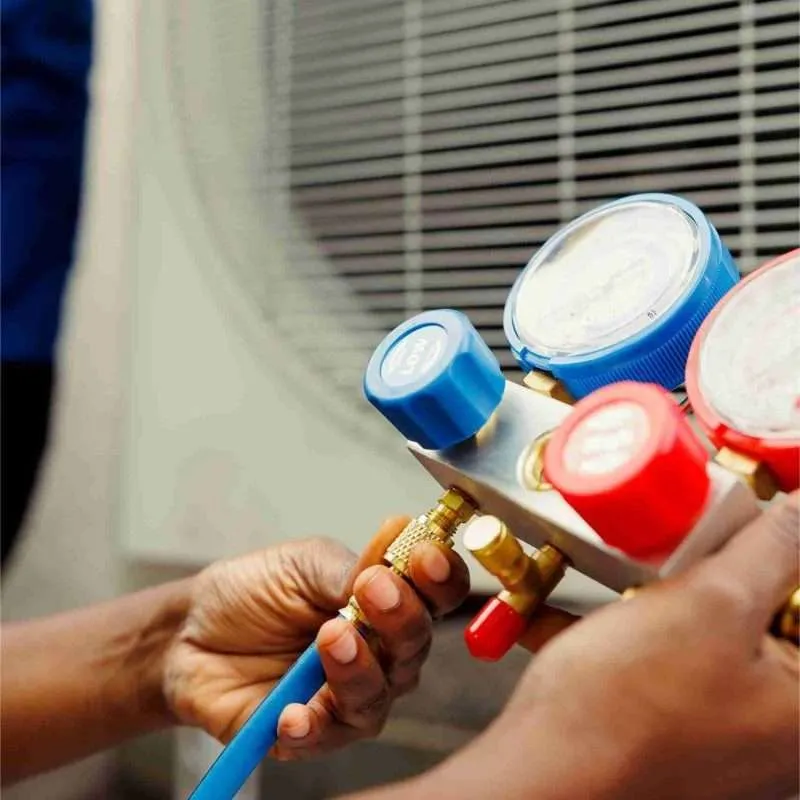
These are the most telling symptoms that your compressor — not some other component — has failed:
- The outdoor unit is completely silent when the indoor unit is running. The outdoor condenser fan and compressor should run when the aircon is actively cooling. If you hear the indoor fan running but the outdoor unit is silent (or the outdoor fan runs but the compressor makes no sound), the compressor is not operating.
- The circuit breaker trips every time you switch on the aircon. A failing compressor can draw excessive current as it attempts to start, causing the circuit breaker to trip as a safety measure.
- Loud banging, clanking, or grinding from the outdoor unit. These noises indicate mechanical failure inside the compressor — often a broken connecting rod, loose piston, or seized bearing.
- The unit runs but produces no cold air, despite correct gas levels. If a technician confirms refrigerant levels are correct and there are no other obvious faults, but the unit still produces no cold air, the compressor is the prime suspect.
- The compressor starts, runs briefly, then shuts off (short cycling). This can indicate a thermal overload protection tripping due to an overheating compressor, often caused by low gas, dirty coils overloading the system, or internal compressor wear.
What Causes Compressor Failure?
Understanding the cause matters — because some causes indicate the system can be reliably repaired, while others suggest the whole unit is at end of life.
- Low refrigerant running for extended periods: When gas is low, the compressor runs hotter than designed (refrigerant also acts as a lubricant and coolant for the compressor). Prolonged low-gas operation is one of the leading causes of premature compressor failure.
- Electrical faults: Power surges, voltage fluctuations, and faulty capacitors stress the compressor motor windings. A failed start capacitor is a common and relatively inexpensive cause of a non-starting compressor.
- Dirty condenser (outdoor unit): When the condenser is clogged with dirt, heat cannot escape efficiently. The compressor runs hotter, under higher pressure, and its lifespan shortens. Try undergoing a chemical overhaul for such a situation
- Age: Compressor bearings and seals degrade over time. In Singapore’s high-humidity environment, the typical lifespan of a residential compressor is 8–12 years with good maintenance, 5–8 years with poor maintenance.
- Manufacturing defect: Rare but real. Premature compressor failure in units under 3 years old is usually a warranty issue.
Repair or Replace? The Decision Framework
This is the central question, and it depends on five factors:
1. Age of the unit
| Unit Age | Recommendation |
|---|---|
| Under 5 years | Repair (likely covered under compressor warranty) |
| 5–8 years | Assess: get repair quote vs full replacement cost |
| 8–12 years | Lean toward replacement, especially for major repair |
| Over 12 years | Replace — do not invest in major repair |
2. Warranty status
Most aircon brands sold in Singapore carry a 5-year compressor warranty. If your unit is within this period and the failure is not caused by negligence (e.g., damage from untreated gas leaks), the manufacturer may cover the compressor replacement. Always check warranty status before agreeing to a paid repair.
3. Cost of repair vs cost of replacement
A rough rule of thumb: if the repair cost exceeds 50% of the replacement cost of an equivalent new unit, replacement is usually the better financial decision.
Typical Singapore cost comparison:
| Option | Estimated Cost |
|---|---|
| Compressor replacement (residential split unit) | S$500–S$1,200 depending on brand and HP |
| New residential aircon unit (supply + install) | S$900–S$2,000 depending on brand and HP |
| Compressor replacement (commercial cassette) | S$800–S$2,500+ |
4. Efficiency of the current system
Older fixed-speed aircon systems use significantly more electricity than modern inverter systems. If your unit is over 8 years old, a new inverter system may pay for itself in electricity savings within 3–5 years.
5. Parts availability
Compressors for units over 10 years old may be discontinued or difficult to source, leading to longer repair times and higher parts costs. Your technician should check parts availability before recommending repair.
The Right Process When a Compressor Fails
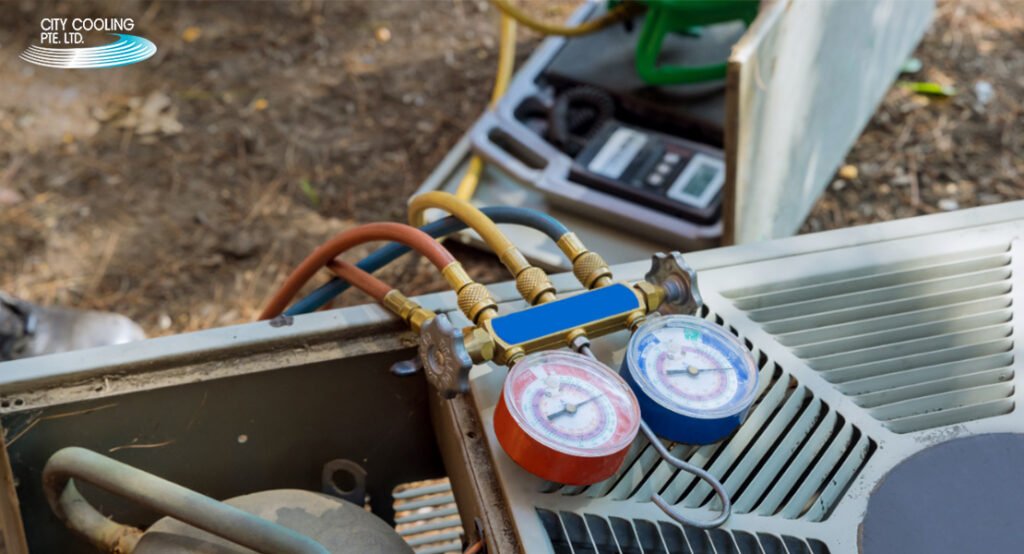
- Get a proper diagnosis — Confirm it is the compressor and not a failed capacitor, overload protector, or contactor (these are cheaper fixes that mimic compressor failure symptoms).
- Check warranty status — Contact the manufacturer or your original installer with your purchase receipt and model number.
- Get a replacement quote — Not just for the compressor, but for a full new equivalent system, so you can compare.
- Consider the unit’s history — Has it needed frequent repairs? Is it using R22 refrigerant? Is it non-inverter? These all push toward replacement.
City Cooling SG: Compressor Diagnosis, Repair, and Replacement
City Cooling Engineering carries compressors for Daikin, Mitsubishi, Panasonic, and other major brands. We provide honest diagnosis and clear written quotes for both repair and replacement — never pressuring you toward the higher-cost option if it isn’t warranted.
📞 WhatsApp for urgent aircon diagnosis: +65 9890 9677 🌐 Learn more: citycoolingengr.com.sg